
EdTech News, Voices and Resources for K-12 and Higher Education




Subscribe Now
Get the Voices of Education Right in Your Inbox




Hot Topics
See all- STEM and STEAM Education
Halloween STEM Activities Worth Trying in Class
- School Safety
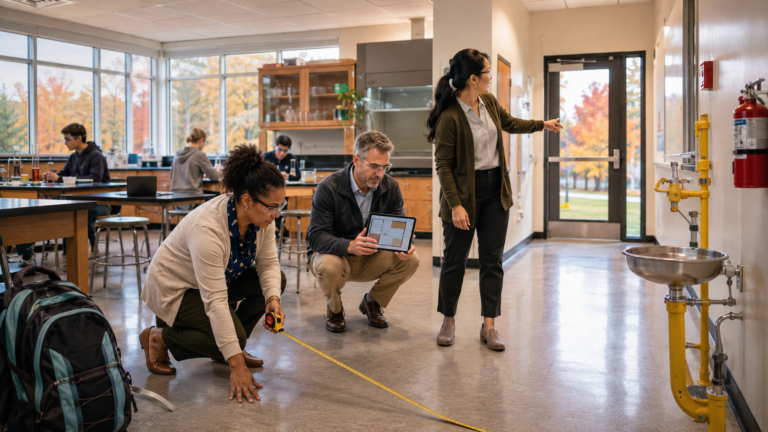
Cafeteria Safety: Is the Most Crowded Room Ready?
- School Safety
School Duty of Care Needs an October Reality Check
- Cybersecurity
School Cybersecurity Protects the School Day
- Professional Development
Teacher In-Service Is Becoming Data-Driven
- Career and Technical Education (CTE)
CTE Access: Who Gets In and Who Gets Left Out?








Latest
- Literacy and Reading
Science of Reading Guide: Research, Phonics, Structured Literacy, Dyslexia and State Laws
A guide to the science of reading for district leaders, principals, coaches, teachers and families: research, phonics, the debate, laws and intervention.
- Attendance and Absenteeism
Chronic Absenteeism Guide: Truancy Laws, Attendance Policy, Causes and Attendance Interventions for K-12 Schools
A guide to chronic absenteeism and student attendance for school leaders, attendance staff, counselors, teachers and families: data, law and evidence.
- Special Education and IEPs
Special Education Guide: IEPs, 504 Plans, IDEA and Parents’ Rights
A guide to special education for school leaders, teachers and families: eligibility, evaluations, IEPs, 504 plans, inclusion, funding and parents' rights.
- GED and Adult Education
GED Test: What It Covers, Cost, Passing Scores and How to Prepare
Four subjects, about seven hours, 145 to pass. What the GED test covers, what it costs, how to take it online and how to prepare.
- School Choice
Texas Education Freedom Accounts: How the New ESAs Work
Texas Education Freedom Accounts give families $10,474 a year for private school. How they work, who got them and what comes next.
- ESports
High School Esports Leagues: PlayVS, NASEF and What They Cost
PlayVS ended its free model in 2026. How high school esports leagues work now, what they cost, NASEF and how to choose one.






Educators
- STEM and STEAM Education
Low Floor, High Ceiling: Finding Science Intervention That Meets Every Student at Their Level
- Professional Development
Teacher In-Service Focuses on New Priorities
- K-12 Teachers
First Weeks of School: You Survived. Now What?
- K-12 Teachers
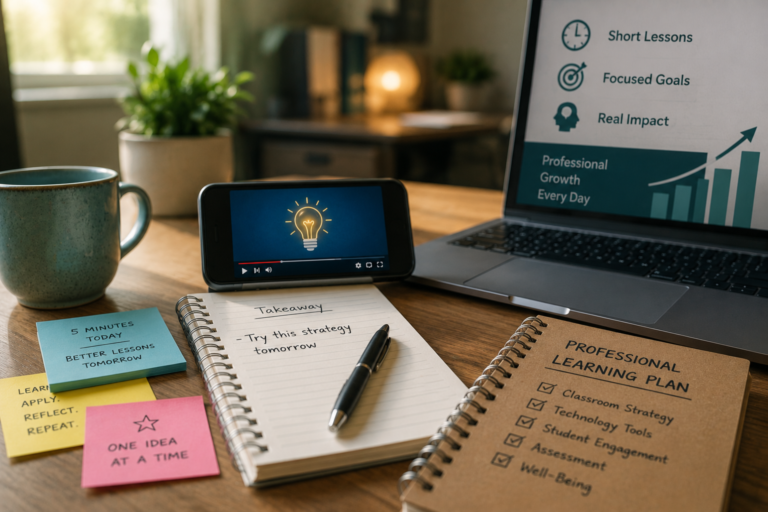
Teacher In-Service Meets Microlearning
- K-12 Teachers
Teacher In-Service Is No Longer One Size Fits All
- Literacy and Reading
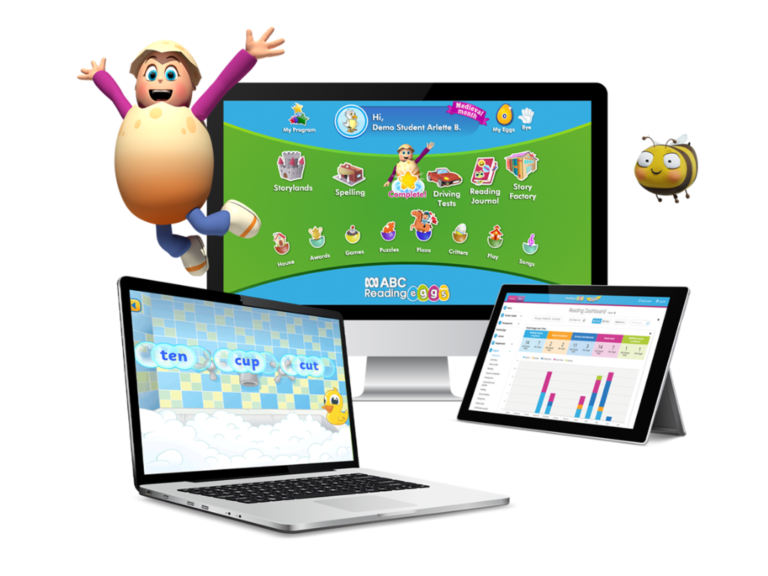
Walton County Teacher Finds a Districtwide Solution to Boosting Literacy Schools for Readers of All Levels
- K-12 Teachers
Teacher In-Service Beyond the Auditorium








Education News
On the Wire