




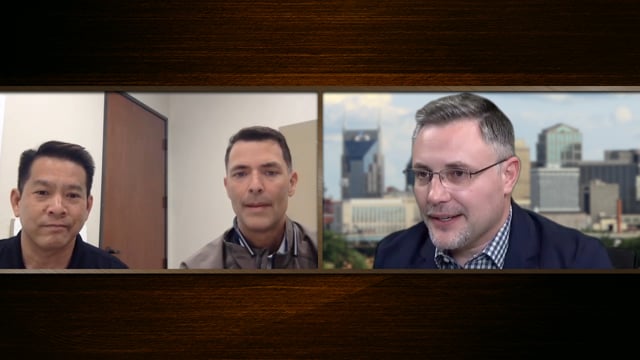
The World of Work initiative and the Cajon Valley USD team up 
Meanwhile, Ed Hidalgo was the Chief Innovation and Engagement Officer for El Cajon and the director of the World of Work initiative based on the Holland Code (RIASEC) career tests at the University of San Diego. He and his team worked with researchers to design the World of Work initiative for students in partnership with David and the CVUSD, with the ultimate goal of helping all children find their place in the world. This means helping students discover their unique strengths, interests, values, building skills, and aligning them to authentic experiences in the classroom to prepare them for their next step after graduating and giving them the tools for the rest of their lives in finding their way in their life and career.
David Miyashiro knows that all kids aren’t, and shouldn’t be, ready for a STEM career. As David says, “It’s really just a lot of listening to the community. A lot of our folks in this particular region of San Diego are carpenters, electricians, and plumbers. They are in very skilled labor industries that are dying on the vine because they can’t find enough talent.” But the issue isn’t the lack of educated adults, they tell him. “They’ve told us that the school system, in general, has stigmatized physical labor and hard work.”

For David and Ed it’s the idea of putting dignity in all work, and starting with the individual kid’s strengths and interests. It’s about letting them explore every type of career possible, a little each year. RIASEC is an acronym for Realistic (Doers), Investigative (Thinkers), Artistic (Creators), Social (Helpers), Enterprising (Persuaders), and Conventional (Organizers). The six models ranked by strength provide the possibility of 720 different personality patterns and the types of careers that would align with those types of interests. “Kids won’t foreclose on anything that could be their possible future,” David says.
David says they’re starting to see levels of hope and engagement rise. They’re starting to see teachers think a little bit less about test scores and more about connecting with their kids. He sees them getting to know their kids on a very personal level, caring about their individual strengths and interests. “And it’s returning the fun to school,” David says. “This is why we came to the profession in the first place. It’s so we can have happy kids and healthy relationships on the path to gainful employment.”

“So don’t start with test scores,” David says. “Start with hope, relevance, engagement, and the practices like the TED Talks. Start with personalized learning, by giving the student a voice. Use World of Work for career development. Keep engaging with hope about future aspirations and then really focus on relationships in school and making that the starting point of any school day or school period. Connect students with each other and with their teachers as a community.”
“That’s well-being,” he says with a smile.
More on K-12
